Improvement
Galla
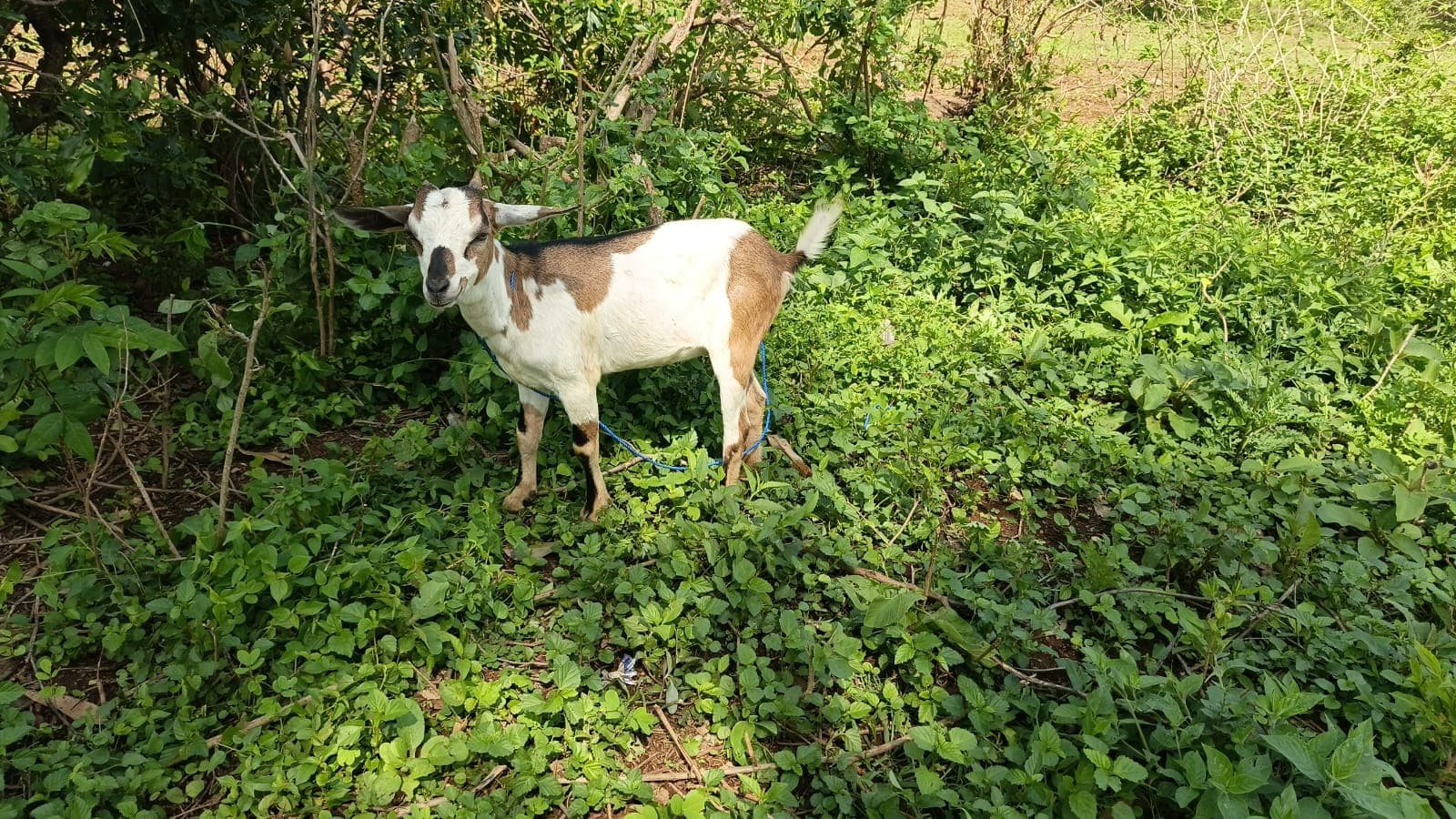
Galla goats are associated with Kenya's arid and semi-arid areas. They bring frame, growth rate and drought tolerance, which is why they set the direction of our breeding.
What we do
GirSiko is a working goat enterprise in Rachuonyo North. Five strands of work hold it together — the animals themselves, the climate systems that keep them productive, the farmers around us, the market, and the data that connects all four. This page is the detail: what the farm is made of, and how it runs day to day.
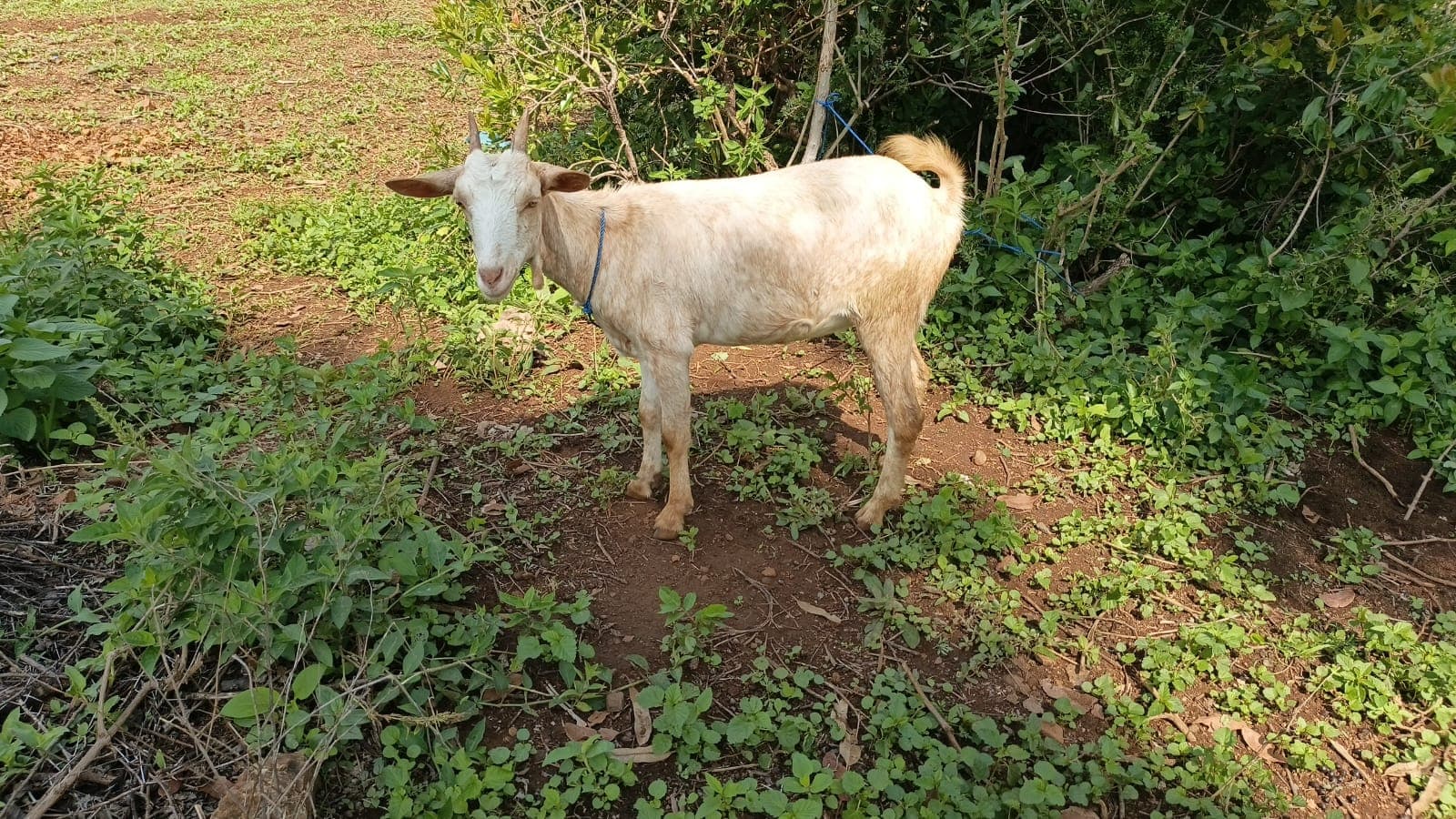
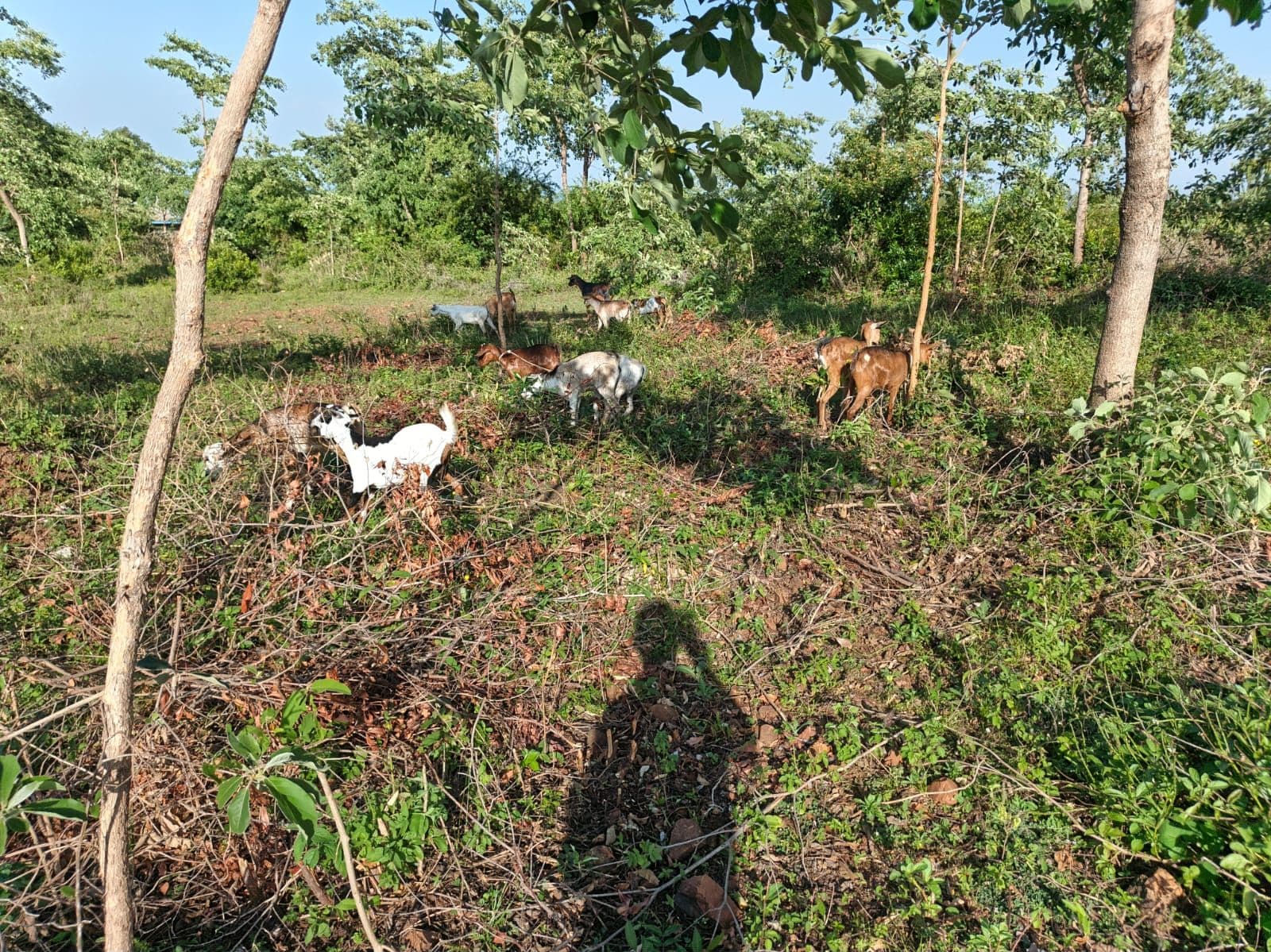
Goat production is the engine of the business. We breed locally adapted does to Galla and Galla-cross sires chosen for frame, growth rate and hardiness, and select replacements on recorded performance rather than appearance alone.
Animal health is managed on a calendar, not on symptoms: quarantine for incoming animals, a vaccination and deworming programme, and daily condition checks that catch problems while they are still small.
The farm is roughly ten kilometres from the nearest reliable water source, and dry seasons here are long. Everything from breed choice to browse rotation to housing design follows from that.
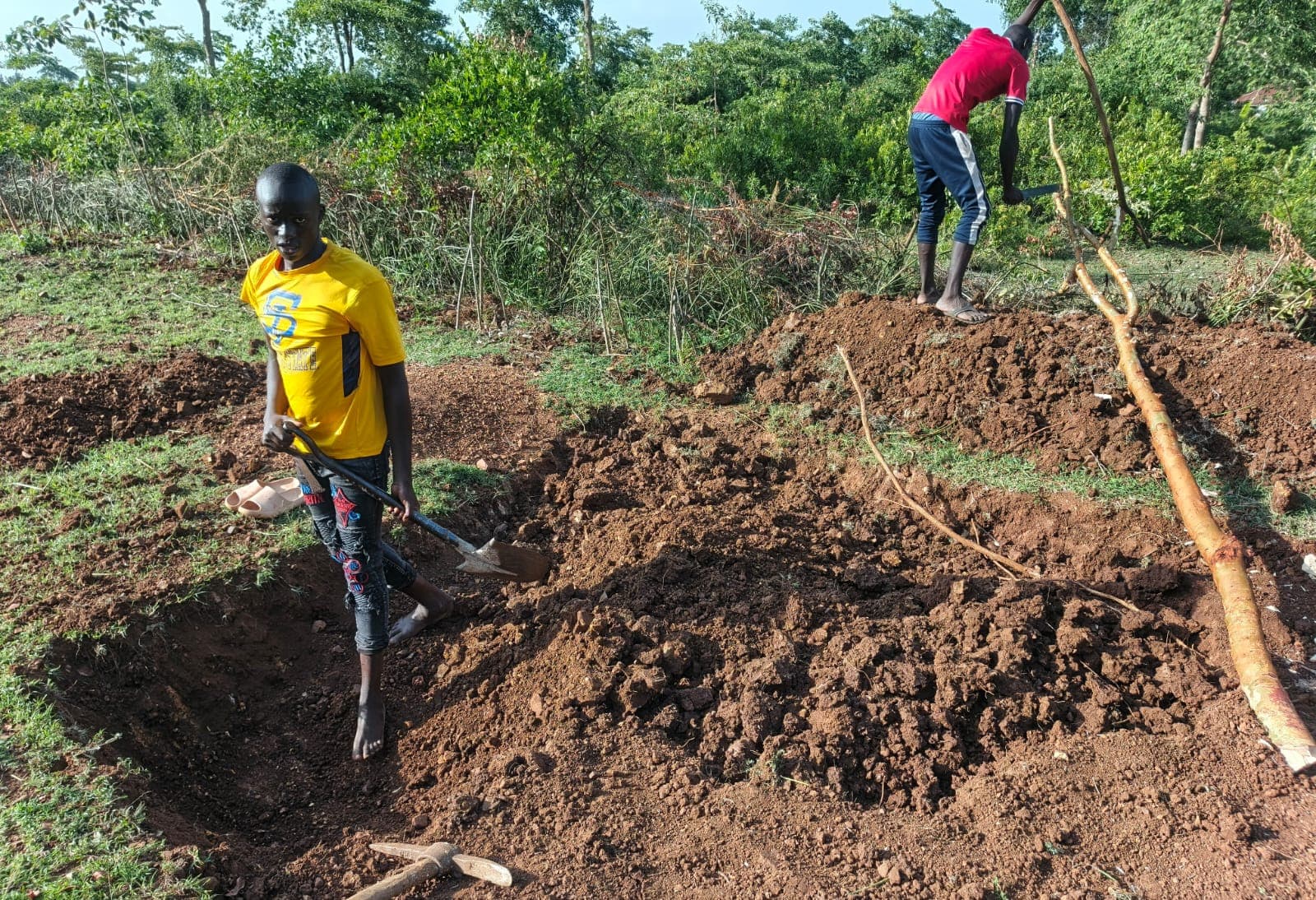
Tanks and troughs are in use, and a water pan is being dug by hand to store water on the farm itself. Water and well-managed browse do the same job: keep the herd producing through the months when feed and water are hardest to find.
The genetics and husbandry that work on this farm are worth more spread across a district than kept behind one fence. Buck service lets a neighbouring farmer use a selected sire without carrying a buck year-round.
Practical training and open farm days cover housing, feeding, routine health, breeding and simple record-keeping — the things that change herd productivity fastest.
Animals are sold on live weight and condition to households, butcheries, traders and farmers improving their own herds. Composted manure goes to crop and horticulture growers.
Pricing on weight rather than appearance is a small change with a large effect: it rewards the farmer who feeds and manages well, and gives the buyer something to compare.
Every animal carries a numbered tag tied to its weight, health, breeding and lineage history. Good data helps us make better decisions about breeding, animal health, growth and the economics of the farm.
Those records live in GirSiko HerdBook, the farm's own software. The team enters weights, treatments and matings on a phone in the field — it works offline and syncs later, which matters here. The public herd registry is built from it.
The herd
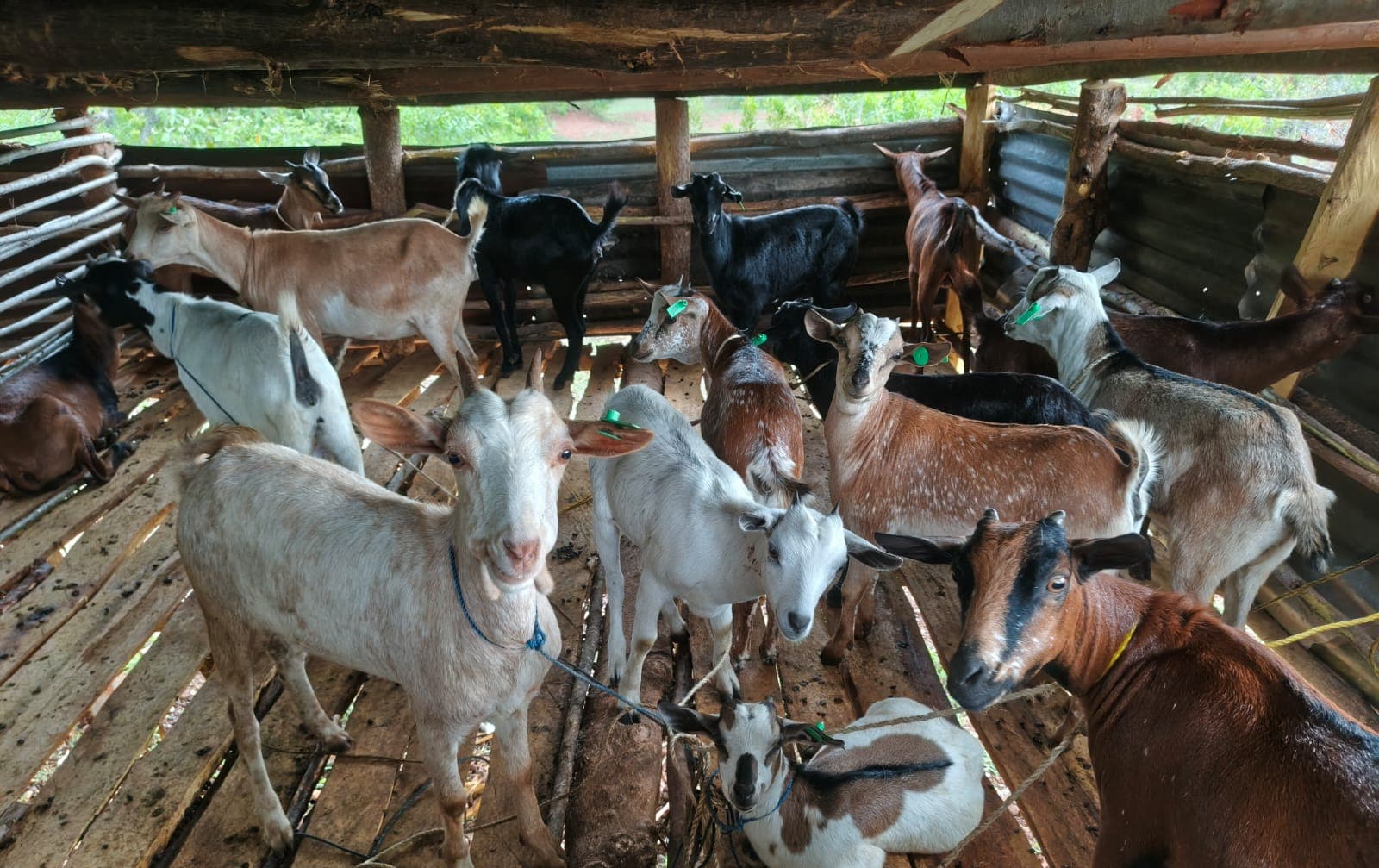
Locally adapted does bred to Galla and Galla-cross sires, selected for growth, frame and hardiness in these conditions.
Improvement
Galla goats are associated with Kenya's arid and semi-arid areas. They bring frame, growth rate and drought tolerance, which is why they set the direction of our breeding.
The working herd
Galla and Galla-cross sires over locally adapted does. The cross keeps the hardiness of an animal that already knows this environment and adds size and growth on top of it.
Foundation
The local does the herd was built from. Adapted to these conditions over generations, and the baseline every improvement is measured against.
Management
Productive animals come from four things done consistently: the right genetics, health kept ahead of problems, individual knowledge of each animal, and honest selling.
Locally adapted does are bred to Galla and Galla-cross sires selected for frame, growth and hardiness. Selection decisions are made on performance, not appearance alone.
Incoming animals are quarantined, the herd follows a vaccination and deworming programme, and daily checks catch changes in condition early.
A numbered ear tag ties each goat to its weight, health, breeding and lineage history. That data shows us which animals are performing and which matings are working.
Animals are assessed on live weight and condition against their own history, so a decision rests on what is recorded rather than on how an animal looks on the day.
Breeding and genetics
The breeding programme combines locally adapted females with Galla and Galla-cross sires. The aim is practical: keep the animals that perform in these conditions, and improve frame, growth and conformation generation by generation without losing track of parentage.
Ear tags and lineage records let the team plan matings, avoid close breeding, and compare offspring from different sires. Health and growth history sit alongside appearance when we choose which animals stay in the breeding herd.
Galla genetics are a climate decision as much as a production one. Galla stock is associated with Kenya's arid and semi-arid areas, and brings drought tolerance and growth rate into a locally adapted herd that already knows this environment.
Animal health
Prevention is cheaper than treatment and far cheaper than loss. The health programme runs on schedule rather than in response to symptoms.
| Activity | How it is handled |
|---|---|
| PPR vaccination | Annual programme |
| CCPP vaccination | Annual programme |
| Strategic deworming | Timed to season, condition and need |
| Incoming-animal quarantine | 14 days before joining the herd |
| Hoof and body-condition checks | Routine inspection |
| Housing and access hygiene | Part of daily management |
PPR means Peste des Petits Ruminants. CCPP means Contagious Caprine Pleuropneumonia. Treatment and vaccination entries are attached to the affected animal's record.
Every day
Early morning
The house is opened and each animal gets a visual health and movement check.
Morning
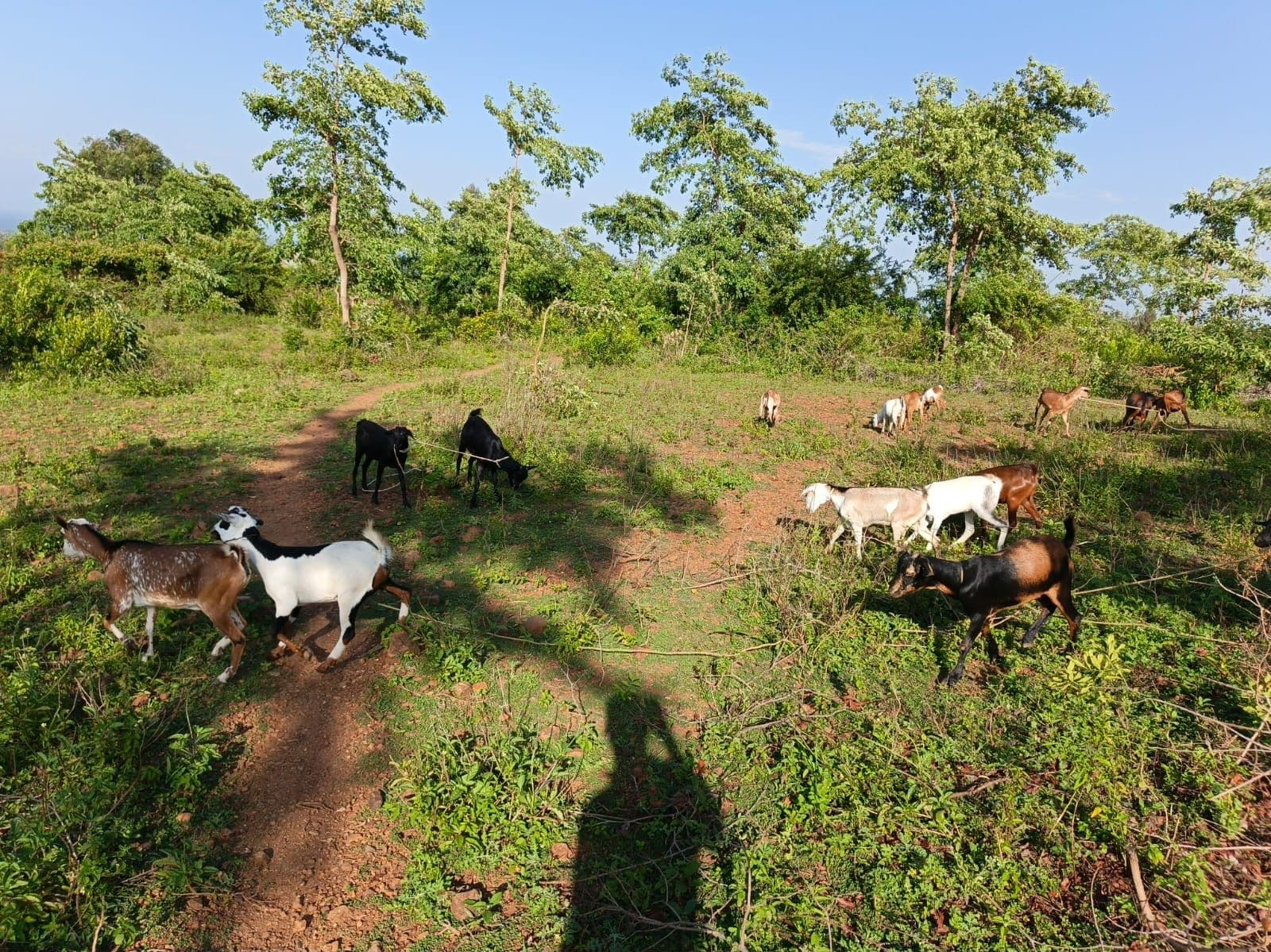
Water is offered and the herd moves out to browse under supervision.
During browsing
The herd is watched for condition, lameness, appetite and any animal separating from the group.
Evening
Animals return to the house, are counted, checked and secured for the night.
Water
The nearest reliable water source is roughly 10 km away. Tanks and troughs are in use, and a water pan is being excavated by hand to hold water on the farm itself.
Water availability sets the ceiling on how many animals a farm can carry responsibly. Storing water on site lifts that ceiling, shortens the working day, and takes the pressure off the hardest weeks of the dry season.
It is the single highest-value piece of infrastructure on this farm, which is why it is the work under way now.
Feed
Goats do best on mixed shrub and leaf rather than grass alone. Managing that browse well is the cheapest feed strategy available here.
The herd moves out to browse under supervision, and fenced sections are rested where possible so vegetation recovers instead of being stripped. Supervision also doubles as observation: condition, appetite and lameness show up on the browse line before they show up anywhere else.
Infrastructure
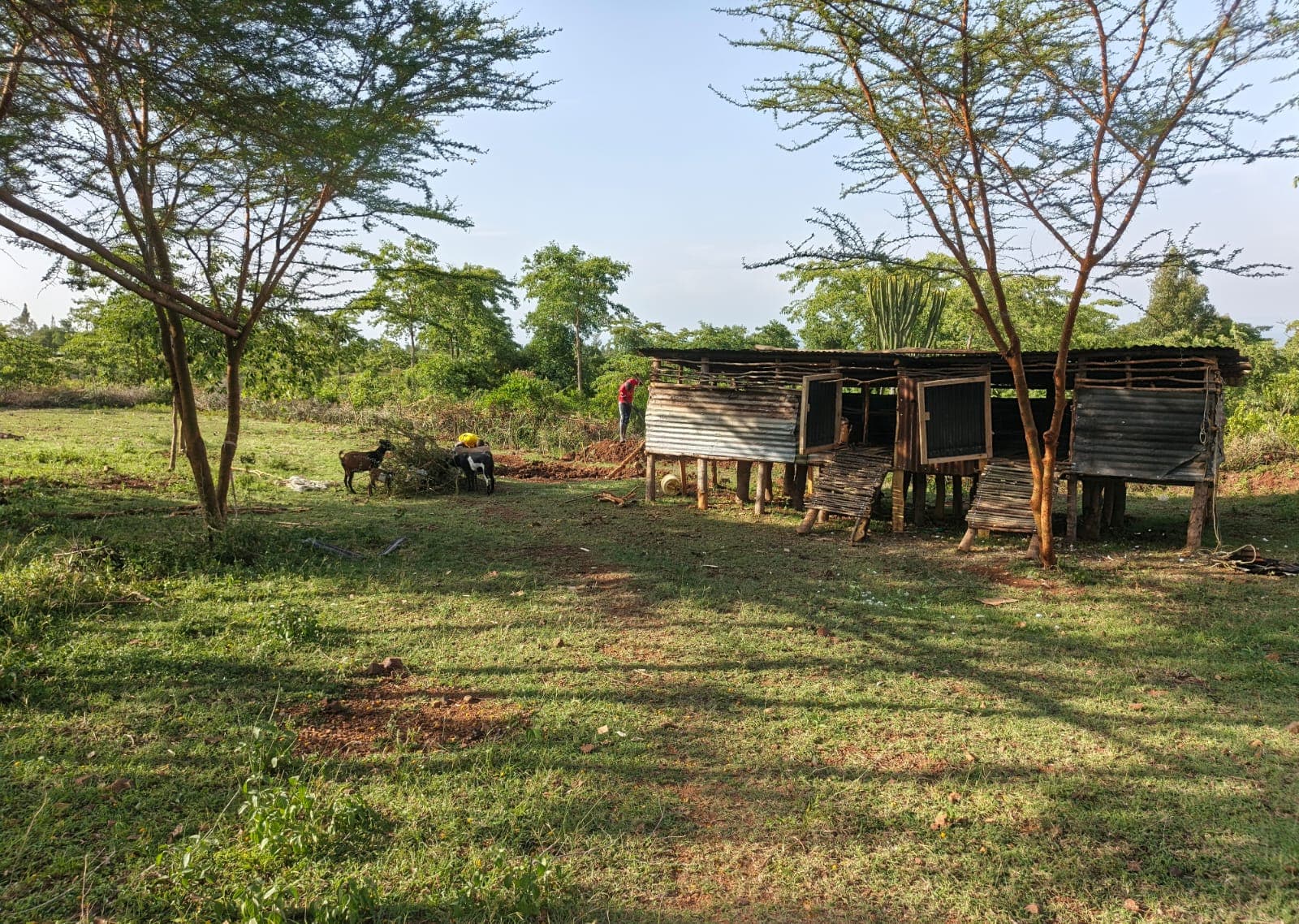
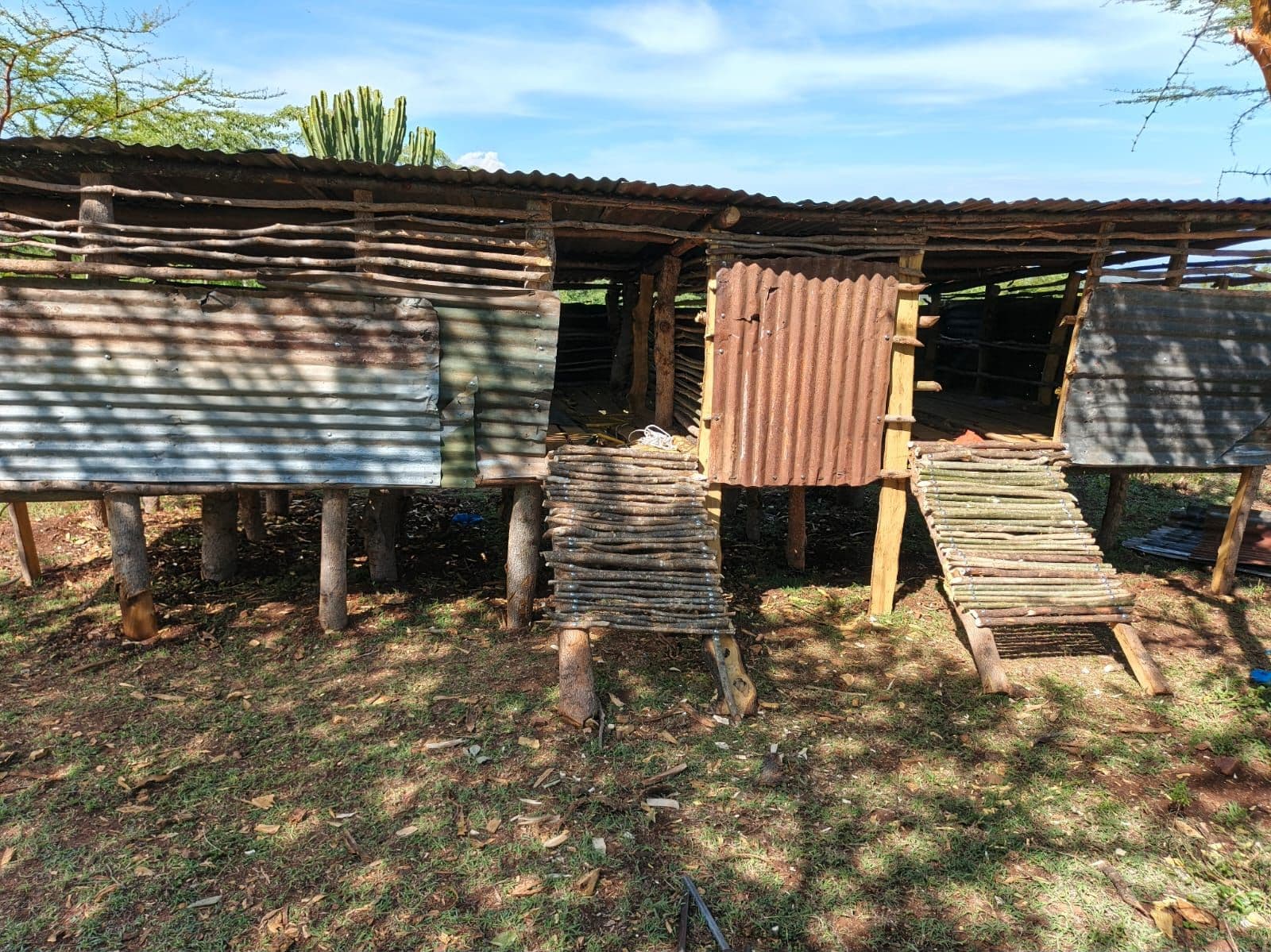
A 22 × 12 ft slatted-floor house that keeps animals off wet ground and makes manure easy to collect.
Used to control movement and let sections of browse rest and recover.
Hand excavation began in 2026 to build dry-season water storage on the farm itself.
Water storage and controlled watering points for the herd.
The raised slatted floor does two jobs at once. It keeps animals off wet ground, which matters for hoof health, and it makes manure collectible — so what would otherwise run off becomes composted soil input for the farm and for growers nearby.
On site
Data and innovation
Good data helps us make better decisions about breeding, animal health, growth and the economics of the farm. The same record tells anyone taking on an animal exactly what they are getting.
| Record | What it contains |
|---|---|
| Animal identity | Numbered ear tag and herd group |
| Lineage | Known sire, dam and birth information |
| Weight | Weights recorded over time, against the animal's own growth curve |
| Health | Vaccinations, deworming, treatment and notable health events |
| Breeding | Service, kidding and offspring information where applicable |
How much history an animal carries depends on its age and whether it was born here. We show what the record actually holds and do not fill gaps with estimates.
The records are a management system, not a filing exercise. The same information that guides a breeding decision on the farm also tells a buyer what they are getting, and tells us whether the business is working. Each animal’s identity record is public: browse the herd registry.
Farm practice
Each practice is labelled with the stage it has reached, so the picture of the farm stays accurate.
Locally adapted does are bred to Galla and Galla-cross sires, with lineage and performance records behind each selection decision.
The herd moves under supervision and fenced areas are rested where possible, so browse recovers instead of being grazed continuously.
The raised slatted floor keeps manure collectible. It is composted and used as an organic soil input, on the farm and by growers nearby.
A hand-dug water pan is being developed on site to hold water through the dry season and cut reliance on water brought in from outside.
For farmers
Arranged directly with the farm. Message or call and we will work out the timing with you.
Neighbouring goat keepers
Bring a doe to a selected Galla or Galla-cross sire, and lift the genetics of a herd without the cost of keeping a breeding buck year-round.
Smallholder goat keepers and groups
Practical sessions on housing, feeding, routine health, breeding and simple record-keeping, arranged directly with the farm.
Farmers, young people, students and groups
Walk the farm, see the herd and the housing, and ask the questions you would ask a neighbour. Arranged in advance and free of charge.